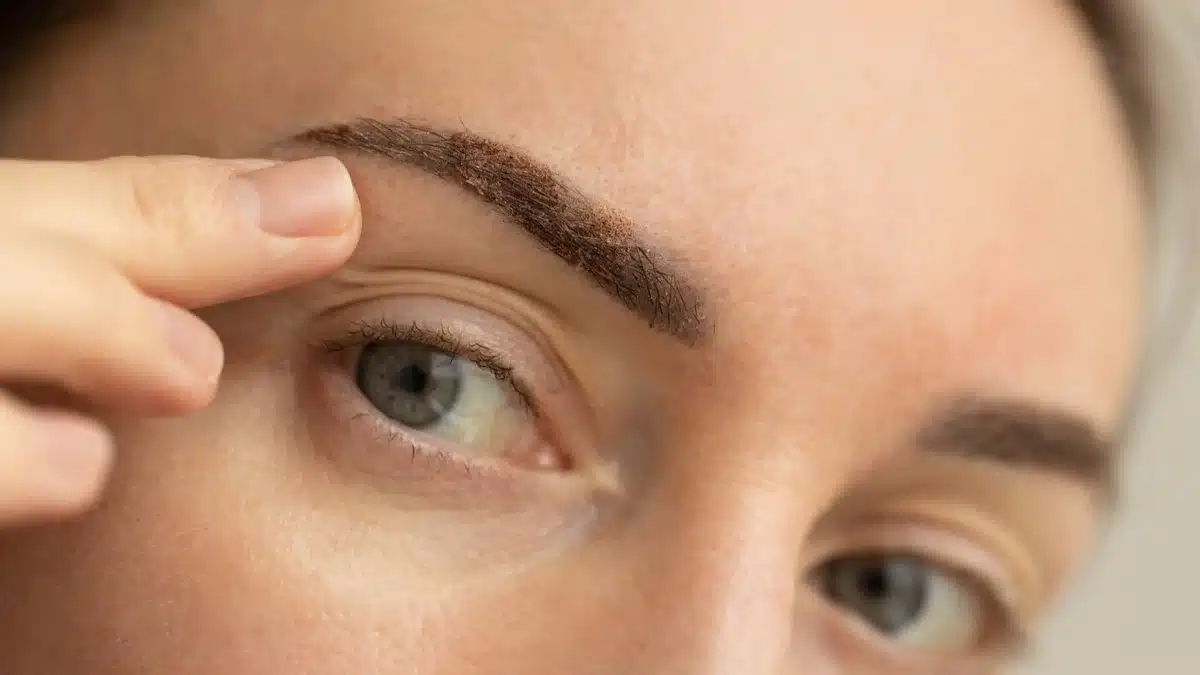
Showering every day is not a universal rule. Dermatologists warn that washing too frequently, for too long, or with the wrong products damages the skin's natural protective barrier, leading to dryness, irritation, and even premature aging. The recommended shower frequency depends on skin type, age, and lifestyle.
For most people, the daily shower is practically a ritual. But skin specialists have been increasingly clear in 2026: the idea that more washing equals cleaner, healthier skin is simply wrong. Overwashing strips the hydrolipidic film, the thin protective layer that keeps skin hydrated, elastic, and shielded from environmental aggressors. And the consequences go far beyond a little dryness.
The beauty world has noticed. Alongside the rise of gentle skincare routines and smarter product choices, a broader conversation about cleansing habits is now firmly underway.
Overwashing damages your skin's protective barrier
The hydrolipidic film acts as the skin's first line of defense. It regulates moisture, blocks out pollutants, and maintains the delicate balance of the skin's microbial ecosystem. When this barrier is repeatedly stripped by hot water, foaming detergents, or simply excessive washing, the skin becomes vulnerable in ways that are both visible and physiological.
What happens when the barrier breaks down
Extended exposure to hot water softens and weakens the stratum corneum (the outermost layer of the skin), causing it to lose its barrier function. The result is a cascade of issues: dehydration, loss of elasticity, increased permeability to irritants, redness, and itching. Skin that has been repeatedly over-cleansed also becomes hypersensitive to temperature changes, synthetic fabrics, and atmospheric pollution, manifesting as tightness and dry patches.
Bathing is considered more aggressive than showering in this regard. Prolonged immersion in water dissolves lipids far more radically than a quick rinse, which can accelerate premature skin aging over time. Specialists recommend limiting baths to a maximum of 15 minutes and using bath oils to reduce the stripping effect. Water temperature should always be lukewarm, never hot.
The microbial balance factor
Multiple showers in a single day don't just dry out the skin. They disrupt the cutaneous microbial equilibrium, the community of beneficial bacteria that lives on the skin's surface and contributes to its natural defense mechanisms. This is a point that skin care experts now emphasize with growing urgency: aggressive cleansing products, particularly those containing synthetic fragrances or harsh detergents, interfere with the skin's own auto-cleaning mechanisms.
Showering multiple times a day disrupts the skin’s microbial balance and accelerates the breakdown of the hydrolipidic film. Even with gentle products, frequency matters.
The right shower frequency depends on your skin type
There is no single answer to how often you should shower. Skin type, age, and daily activity all factor into what dermatologists actually recommend.
For dry skin and conditions like atopic dermatitis
People with dry skin or névrodermite (atopic dermatitis) are advised to shower every other day, meaning once every two days at most. On days without a shower, a targeted wash using a washcloth on critical areas such as the armpits and feet is sufficient to maintain hygiene without aggravating the skin. This localized approach avoids unnecessary exposure of the arms, chest, and legs to water and cleansing agents.
When showering does take place, the choice of product matters enormously. Soap-free, fragrance-free shower gels and relipidating cleansers are the recommended options. These products, a growing trend in 2026 according to brands including Nivea, are formulated to cleanse without depleting the skin's natural lipid content.
After 60 and 65: adjusting habits with age
Skin naturally becomes drier and thinner with age. According to dermatologists, individuals over 60 years old may need to revisit their showering habits, and those over 65 often benefit from reducing frequency further. The skin's ability to replenish its hydrolipidic film slows down significantly with age, making the consequences of overwashing more pronounced and harder to reverse. This is a dimension of anti-aging skin care that tends to be overlooked in favor of topical treatments alone.
recommended shower frequency for dry or sensitive skin types
Cleansing Reduction, the 2026 trend redefining body hygiene
Cleansing Reduction is one of the more striking wellness trends to emerge in 2026. The concept is straightforward: wash only when there is a genuine need, rather than out of habit or social convention. Adherents report tangible benefits, including reduced itching, visibly brighter skin, and an overall improvement in skin texture and comfort.
The underlying logic aligns with what dermatologists have been saying for years. The skin has its own sophisticated self-cleaning mechanisms. When those mechanisms are constantly disrupted by chemical cleansing agents, the skin cannot function as it should. Cleansing Reduction is essentially an effort to get out of the way and let the skin do its job.
This doesn't mean abandoning hygiene altogether. The approach still involves targeted washing of high-odor zones, primarily the armpits and feet, on days when a full shower is skipped. But it challenges the assumption that a full-body lather is a daily necessity for everyone.
Just as the beauty world has learned to question daily makeup habits and their long-term effects on skin health, the conversation around cleansing frequency is now following the same trajectory.
For most skin types, showering every other day with a soap-free, fragrance-free gel in lukewarm water is the safest approach. On off days, a washcloth applied to the armpits and feet is enough. Baths should be kept under 15 minutes and supplemented with bath oil.
Practical recommendations for healthier cleansing habits
Translating dermatological advice into a daily routine doesn't require a complete lifestyle overhaul. A few targeted adjustments make a significant difference.
The first is temperature. Lukewarm water preserves the hydrolipidic film far better than hot water. The second is duration. Showers should be kept reasonably short, and baths should never exceed 15 minutes. The third is product selection. Relipidating shower gels and bath oils compensate for the lipids that water inevitably removes, and fragrance-free formulas reduce the risk of sensitization.
Concrètement, the goal is to cleanse without disrupting. For people with sensitive or dry skin, that means accepting that skipping a shower is not a lapse in hygiene but a dermatologically sound choice. For everyone, it means paying attention to signals the skin sends: tightness after washing, persistent dry patches, and recurring redness are all signs that the current routine is too aggressive.
The body has a sophisticated relationship with water and cleansing agents. Respecting that relationship, rather than overriding it daily, is what keeps skin genuinely healthy over the long term.