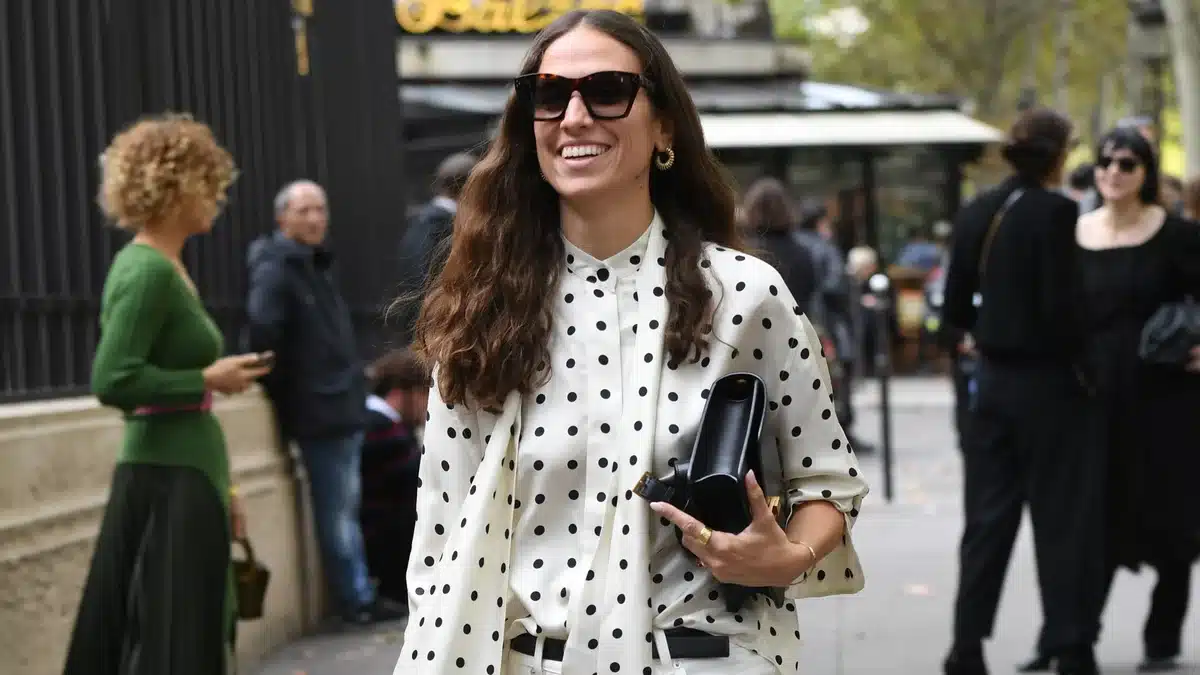
Front Layering is the haircut that studio hairdresser Pierre Ginsburg identifies as the defining look for spring 2026. Precise, flattering, and compatible with virtually every hair type, this technique targets only the front sections of the hair to frame the face and add movement. The classic bob, once untouchable, may have finally met its match.
The beauty world is no stranger to seasonal reinvention, but some shifts carry more weight than others. What Ginsburg observes in his salon right now points to a clear departure from rigid, structured cuts toward something far more fluid and personalized. The spring 2026 hair trends are not about a single dramatic statement. They are about lightness, movement, and a very deliberate kind of softness.
And if you've been holding onto your bob, this might be the moment to reconsider.
Front Layering: the haircut redefining spring 2026
The concept behind Front Layering is deceptively simple. Rather than applying layers throughout the entire length of the hair, the technique concentrates the graduation exclusively on the front sections, the strands that fall closest to the face. The result is a cut that frames facial features, softens angles, and introduces movement precisely where it matters most visually.
A technique that works for every hair type
What makes Front Layering particularly compelling is its versatility. Whether your hair is fine or thick, straight or textured, the technique adapts. For fine hair, it creates the illusion of volume without adding bulk. For thicker hair, it removes visual weight from the front without sacrificing density at the back. Textured and wavy hair benefit from the way the layers encourage natural movement to express itself more freely around the face.
Ginsburg also notes that Front Layering pairs naturally with a long fringe, an association that amplifies the face-framing effect and gives the cut a distinctly modern edge. The combination works especially well for those looking to update their look without committing to a full restyle.
Front Layering can be added to an existing haircut without changing the overall length. It’s an ideal option for a low-commitment seasonal refresh.
Why the classic bob is losing ground
The classic bob built its dominance on clean lines and geometric precision. But those same qualities, the sharpness, the uniformity, the absence of movement, are exactly what feel less current heading into spring 2026. According to what Ginsburg observes in salon, full-length cuts without structure and hairstyles that sit too rigidly are losing relevance. The appetite is shifting toward cuts that move, that breathe, that interact with the face rather than simply hanging around it.
Front Layering delivers exactly that, without requiring a complete overhaul. It modernizes rather than replaces, which is perhaps why it is gaining traction so quickly.
Two other strong trends accompanying the shift
Front Layering does not stand alone. Ginsburg identifies three major trends for spring 2026, and the other two reinforce the same overarching direction: away from stiffness, toward natural movement and considered structure.
The invisible graduation: structure without sacrifice
The second trend is the "invisible graduation" (dégradé invisible in French). Unlike a visible layered cut, this technique works beneath the surface of the hair to create movement and lightness while preserving the appearance of full, dense hair. It structures without depleting, and lightens without making the hair look thin. For anyone who has avoided layers out of fear of losing volume or thickness, the invisible graduation offers a compelling alternative.
This approach suits those who want the benefits of a layered cut, natural movement, reduced weight, improved manageability, without any visible graduation line. The finish looks seamless, which is precisely the point.
Free textures and soft waves take over
The third trend confirms the season's overall direction: free textures, soft waves, and hair in motion. The controlled, blow-dried-straight aesthetic is stepping back. What replaces it is a more effortless look that celebrates the hair's natural behavior rather than suppressing it. Loose waves, lived-in texture, and movement that appears unforced are all central to this spring's vocabulary. This aligns with what's already circulating on platforms like TikTok, where creators like Kim Wolff (@itstherealkimshady) have been capturing and amplifying these softer, more natural aesthetics. If you're also updating your overall beauty look this season, it's worth noting that chic bobs for women over 40 are evolving in the same direction, with movement and lightness taking priority over rigid geometry.
- Front Layering for face-framing movement
- Invisible graduation for structure without visible layers
- Soft waves and free textures for an effortless finish
- Bespoke color with subtle, sun-kissed contrasts
- Classic geometric bobs with no movement
- Full-length cuts with no structure or layering
- Overly rigid, controlled hairstyles
- Harsh color contrasts
Color trends for spring 2026: the sun-kissed standard
The seasonal shift in cuts is mirrored by an equally significant evolution in color. The dominant direction for spring 2026 coloring draws inspiration from the way sunlight naturally lightens hair over time. The goal is not a dramatic transformation but a bespoke, organic result that looks like it happened on its own.
Reverse balayage becomes the new normal
The technique leading this evolution is reverse balayage, which Ginsburg describes plainly as "the norm." Where traditional balayage concentrates lighter tones at the ends, reverse balayage works from a different logic, placing lighter reflections in a way that mimics natural sun exposure more convincingly. The result is subtle, elegant, and deeply personal.
For brunette bases, the technique introduces delicate highlights that warm the overall tone without creating sharp contrast. For blondes, the movement is toward softer, more muted shades, a departure from the bright, high-contrast blondes that dominated previous seasons. Across all base colors, the shared ambition is the same: subtle contrasts that enhance rather than overwhelm, color that feels earned rather than applied.
This shift in color philosophy pairs naturally with the textured, movement-forward cuts described above. A soft wave looks more convincing when the color has dimension. Front Layering reads more dynamically when the light catches varied tones through the front sections. The two trends reinforce each other, which is why the overall picture for spring 2026 feels coherent rather than fragmented. And just as hair and color evolve together, a complete seasonal refresh often extends beyond the hair itself, with nails, skin, and fragrance all shifting in sync with the season's mood.