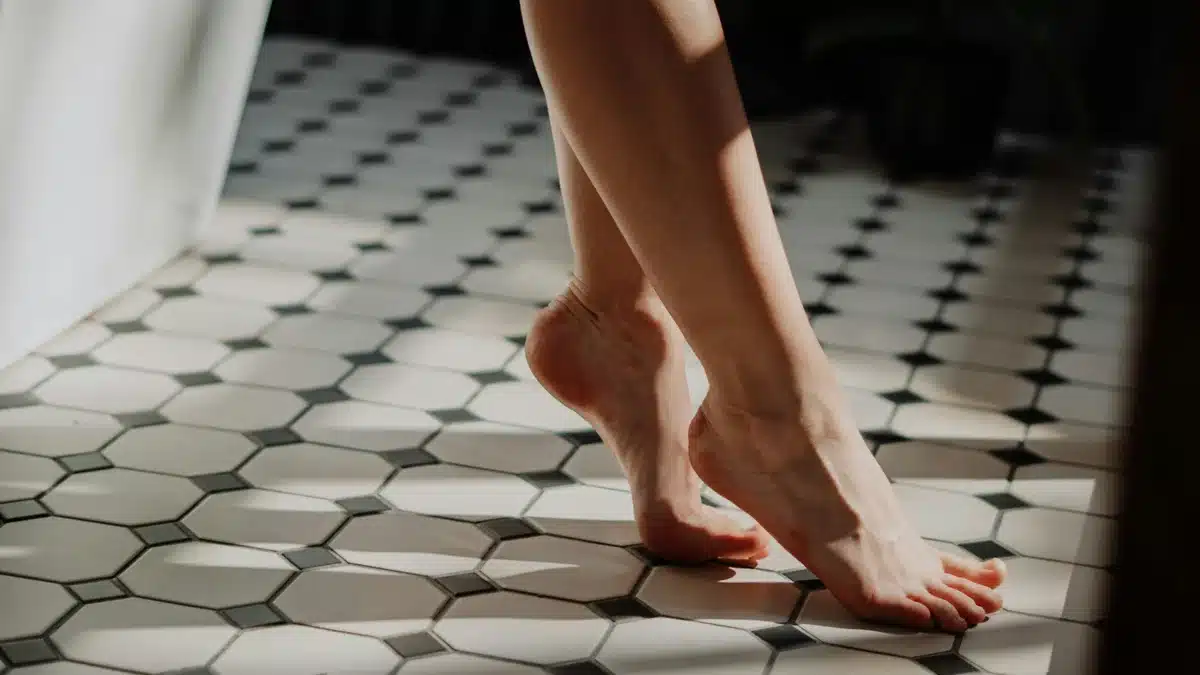
A Singapore-based podiatrist known on TikTok as "paulthepodiatrist" has identified 5 pairs of women's shoes that he refuses to wear — from Crocs to stilettos. His verdict, spread across two viral videos, draws on years of foot science training and delivers a clear message: popular doesn't mean safe.
Scroll through any fashion feed and you'll find them everywhere — platform mules, slip-on sneakers, breezy flip-flops. These shoes dominate wardrobes season after season, partly because they're easy, partly because they look good. But Paul, a podiatrist based in Singapore, has a very different take. On TikTok, under the handle "paulthepodiatrist", he laid out his personal blacklist in two separate videos that have been circulating widely under hashtags like #foothealth and #footpain.
His reasoning isn't aesthetic. It's anatomical.
The 5 shoes a podiatrist refuses to wear
The list covers 5 distinct shoe types, each condemned for specific biomechanical reasons. What makes Paul's breakdown compelling is the precision: he doesn't just say a shoe is "bad." He explains what structure fails, which tissue pays the price, and under what conditions the damage accumulates.
Crocs and platform Crocs: more dangerous than they look
Crocs top the list, and the reasoning might surprise fans of the brand. The issue isn't comfort in the short term — it's structural instability over time. Paul points to the risk of ankle sprains, particularly for people with naturally flexible feet. The soft, yielding material of the sole offers little resistance when the foot rolls, which means muscles, ligaments, and tendons absorb forces they're not designed to handle repeatedly.
Platform Crocs earn a separate mention and arguably a harsher verdict. The elevated, rigid base creates an unstable foundation. Combined with the absence of any rear foot support, the risk of ankle torsion is significantly elevated. Paul flags a consequence that goes beyond soreness: bone fractures. A misstep on an uneven surface while wearing platform Crocs isn't just a sprain waiting to happen — it's a potential trip to the emergency room.
Platform mules and platform Crocs share the same core problem: an unstable base with no rear foot retention. For people who walk on uneven terrain or for extended periods, the fracture risk is real and documented.
Flip-flops and slip-on sneakers: the grip problem
Flip-flops (flat sandals with no foot attachment) make the list for a reason most wearers never consciously notice. Because there's nothing holding the foot in place, the toes instinctively grip the sole with every step. This unconscious clenching, repeated thousands of times a day, creates chronic tension in the toe tendons and the plantar fascia. Long-term, that translates into real pain. The secondary risk is mechanical: flat flip-flops with smooth soles are among the most slip-prone footwear options available, with almost no traction on wet surfaces.
Slip-on sneakers — Vans being the most cited example in the podiatrist's hashtags — carry a similar gripping problem. Without laces to secure the foot, the toes work overtime to keep the shoe on during the stride. The ankle also loses lateral support, which makes the gait subtly unstable. Most wearers don't feel it until the cumulative fatigue sets in.
This gripping dynamic is worth understanding for anyone who wears these shoes daily. Much like how walking 30 minutes a day can produce surprisingly significant changes in the body over time, the micro-stresses of poor footwear also compound quietly before becoming impossible to ignore.
Stilettos: the pressure equation
Stilettos close the list. The problem here is well known but often underestimated in its severity. The extreme heel height shifts the body's entire weight forward, concentrating pressure at the metatarsal heads — the ball of the foot. The higher the heel, the more dramatic this load redistribution becomes. And because stilettos typically offer minimal rear foot retention, the foot is simultaneously overloaded at the front and unsupported at the back.
Paul doesn't suggest that wearing heels occasionally ruins feet permanently. The concern is regular, prolonged wear. The cumulative pressure on the forefoot leads to nerve compression, joint inflammation, and structural deformities over time.
shoe types identified by the podiatrist as harmful to long-term foot health
What these shoes have in common — and what to choose instead
Looking across the full list, a pattern emerges. Every condemned shoe fails on at least one of two criteria: ankle support or foot retention. Crocs are soft and structureless. Flip-flops hold nothing. Slip-ons let the foot slide. Platform mules combine height with zero rear support. Stilettos overload the forefoot while leaving the heel exposed.
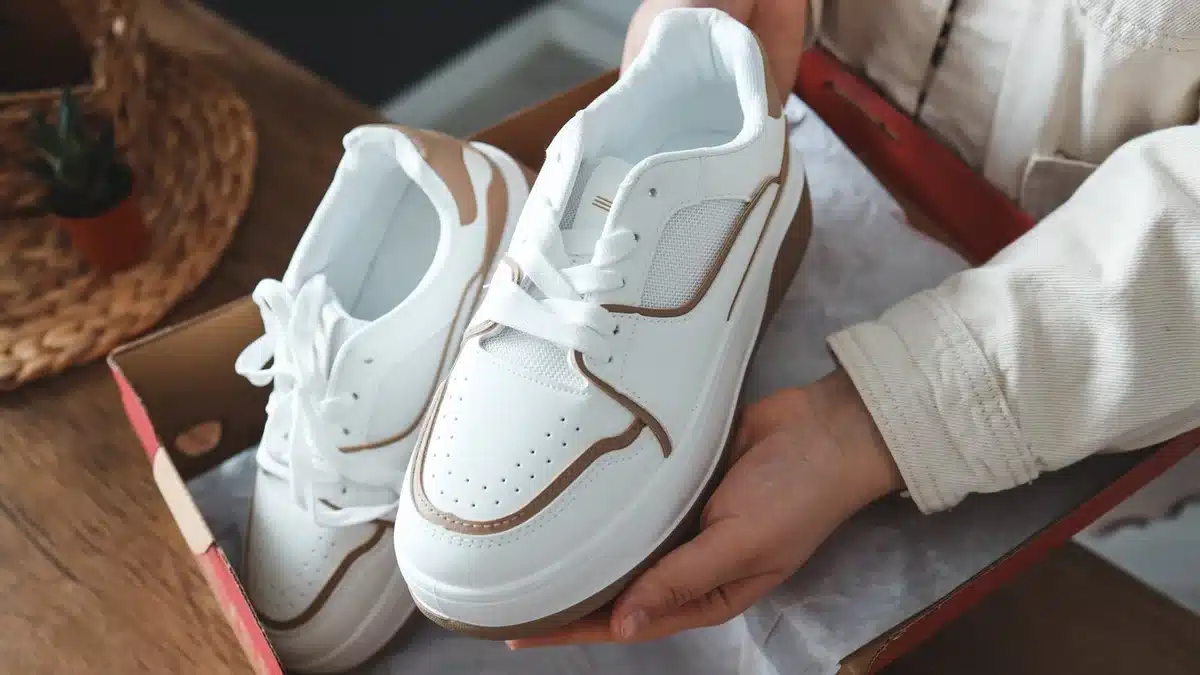
The implicit recommendation running through Paul's videos points toward lace-up sneakers as the baseline standard. Laces create a secure fit that doesn't require the toes to compensate. The ankle stays aligned. The foot doesn't grip. The load distributes more evenly across the sole.
This matters especially during summer months, when feet tend to swell. A shoe that fits correctly in the morning may feel different by afternoon, and footwear with no adjustment mechanism — no laces, no straps — offers no way to accommodate that change.
Feet naturally swell throughout the day and especially in hot weather. Shoes without any adjustment system (no laces, no buckle) cannot compensate for this volume change, which increases friction, pressure points, and instability.
The fashion angle is worth addressing directly. Many of the shoes on Paul's list are genuinely popular, and some — like platform styles or slip-on sneakers — align with current trends. The same tension between aesthetics and practicality runs through other areas of beauty and wellness. Choosing the right footwear for the season doesn't have to mean sacrificing style entirely, but it does require knowing which trade-offs carry real physical consequences.
Paul's videos, accessible on his pinned TikTok profile under "paulthepodiatrist", don't moralize. They inform. And the information is specific enough to be genuinely useful: not "avoid heels" as a vague directive, but a precise breakdown of which structural failures cause which types of damage, in which types of feet. That's the kind of expert perspective that tends to stick, especially when it challenges shoes most people assumed were harmless.