Kitten heels are the heeled shoe podiatrists recommend without hesitation this spring 2026. Sitting between 3.5 and 5 cm, they offer the silhouette-elongating effect of a classic pump without overloading the forefoot — a balance that stilettos and platform shoes simply cannot achieve. The science behind the recommendation is clear, and the styling potential is real.
Spring 2026 means the end of boots, the return of bare ankles, and a packed social calendar of weddings, afterwork drinks, and outdoor events. It also means the annual ritual of pulling out heeled shoes that have been forgotten since last year — and, for many women, the familiar burning sensation under the forefoot by early evening. Podiatrists have a precise explanation for why that happens, and a precise solution.
The answer is not to give up heels. It is to choose the right ones.
What a 10 cm heel actually does to your feet
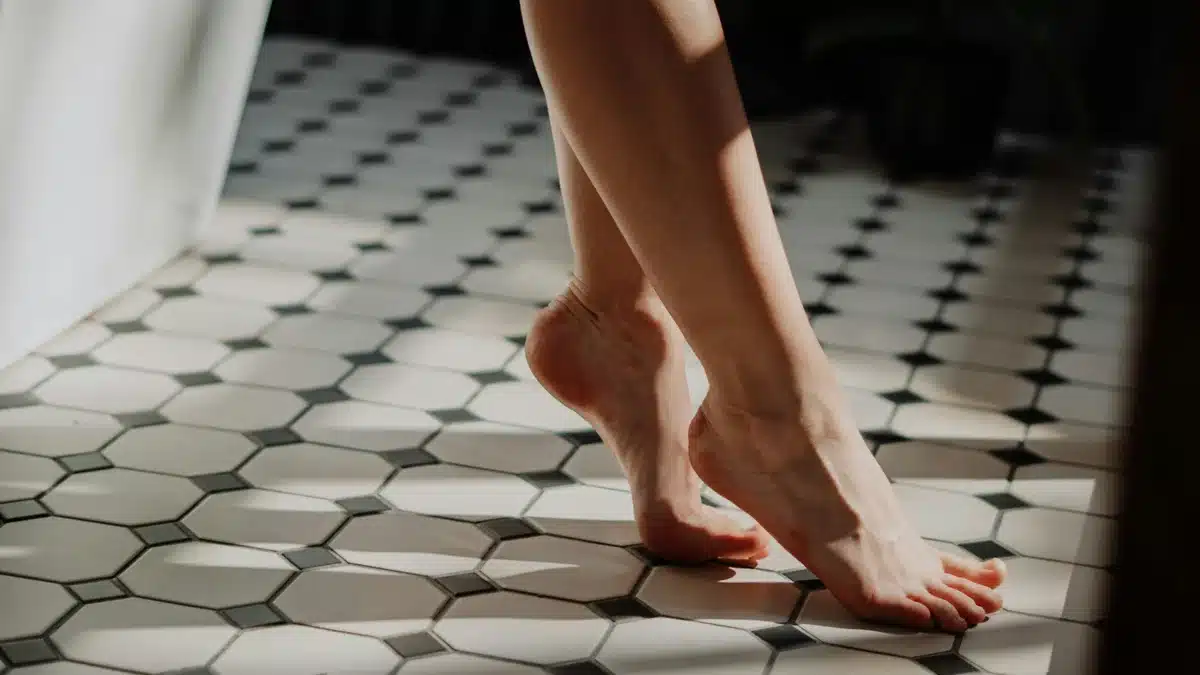
The mechanics are straightforward and the numbers are striking. With a 10 cm heel — the kind found on classic stilettos — 90% of the body's weight shifts to the forefoot. That is nearly the entire load of the body concentrated on a surface roughly the size of a few toes. Hold that position for a full workday, a wedding reception, or an evening out, and the consequences accumulate fast: burning sensations under the ball of the foot, pressure on the toes, tension pulling through the lower back, and over time, the formation of calluses and corns.
The chain reaction from heel to spine
The problem does not stop at the foot. When the forefoot absorbs that much pressure, the body compensates by adjusting posture. The pelvis tilts forward, the lumbar arch deepens, and the knees absorb shocks they were not designed to handle in that position. Podiatrists describe this as a dorsal compensation — the spine bends to counterbalance what the foot can no longer absorb. The result is a posture that looks elegant in a photo but exhausts the musculoskeletal system within hours.
Why stilettos and pointed toes compound the damage
A stiletto heel adds another layer of risk beyond height: instability. The narrow contact point with the ground reduces balance significantly and increases the likelihood of ankle sprains. Combine that with an ultra-pointed toe box, which compresses the forefoot laterally, and the mechanical damage extends to the joints of the toes and the alignment of the knees. Podiatrists are direct on this point — stilettos with pointed toes are not shoes for a full day. They are, as the recommendation goes, shoes for Instagram.
of body weight on the forefoot with a 10 cm heel
The kitten heel advantage, explained by podiatrists
Drop the heel height to 4 cm, and the weight distribution changes dramatically. The forefoot now carries approximately 60% of the load, with the remaining 40% redistributed to the heel. That shift is not cosmetic — it is the difference between a shoe you can wear through a full day of meetings and a wedding dinner, and one you abandon under the table by 10 p.m.
Kitten heels, which typically sit in the 3.5 to 5 cm range, hit exactly this sweet spot. They elongate the leg visually, add definition to the silhouette, and do not exhaust the plantar arch. For spring 2026, they appear across escarpins, sandals, slingbacks, and even transitional boots — making them one of the most versatile options of the season. If you're already thinking about your spring wardrobe more broadly, the shift away from raw denim toward softer, more elegant tones pairs naturally with this kind of refined, low-key heel.
The 6 cm ceiling podiatrists won't cross
The recommended range has a clear upper limit. Podiatrists set 6 cm as the maximum heel height for a full day without pain. Beyond that threshold, the mechanical load on the forefoot increases sharply and the postural compensations become unavoidable. This does not mean heels above 6 cm are unwearable — it means they are not designed for extended use, and wearing them through a long day is a choice made against what the foot can comfortably sustain.
The ideal heel height recommended by podiatrists sits between 3.5 and 5 cm. This range offers the best weight distribution between forefoot and heel while still providing a visible lift to the silhouette.
Choosing the right heeled shoe this spring: the details that matter
Height is only part of the equation. Podiatrists point to several structural features that determine whether a heeled shoe is actually comfortable to wear.
Heel shape matters as much as height. A block heel or square heel distributes the body's weight over a larger surface area than a stiletto, reducing instability and the risk of ankle sprains. For spring 2026 sandals and slingbacks, a well-proportioned block heel is both the most stylish and the most functional choice.
Sole flexibility is another factor. A sole that is too rigid prevents the foot from rolling naturally through its gait cycle, increasing strain on the Achilles tendon and calf muscles. But a sole that is too thin offers no cushioning, transmitting shock directly to the joints. The target is a supple but substantial sole that absorbs impact without restricting movement.
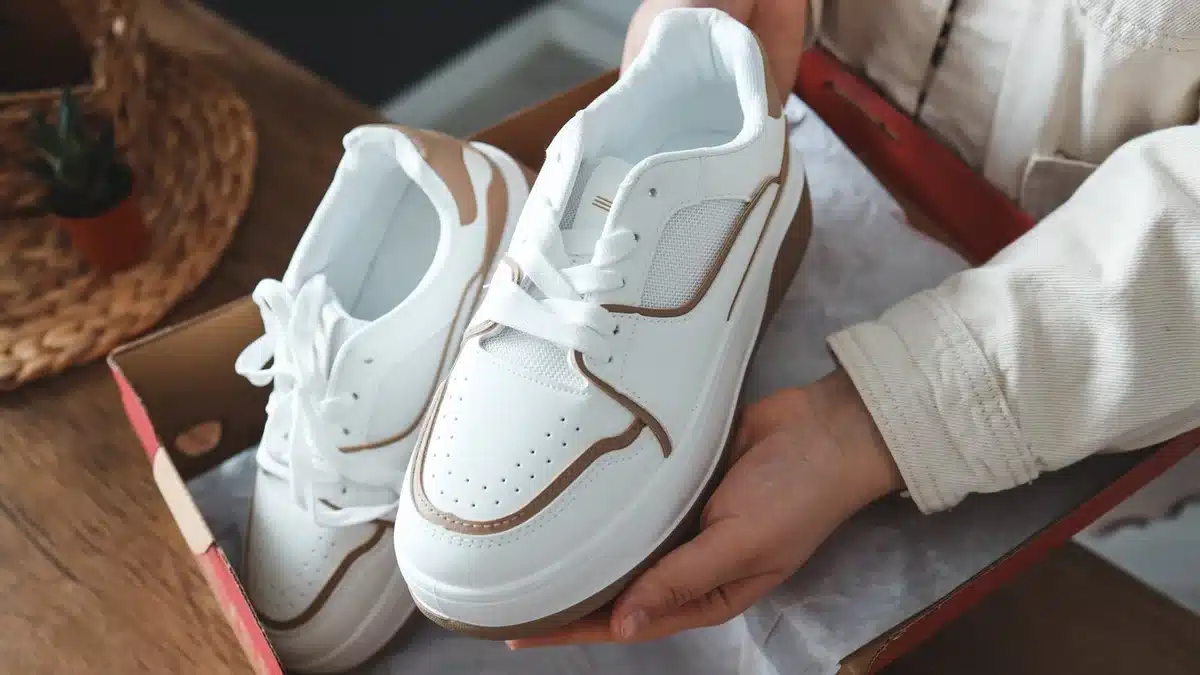
Toe box shape rounds out the criteria. A slightly rounded toe allows the toes to sit naturally without compression. This is particularly relevant for anyone prone to bunions or hammertoes, where lateral pressure from a pointed box accelerates deformation. Rounded and almond-shaped toes dominate the spring 2026 offering precisely because they answer both an aesthetic and a functional demand.
For slingbacks specifically — one of the defining silhouettes of the season — podiatrists recommend paying attention to the back strap. A adjustable rear strap with a well-centered heel keeps the foot correctly positioned in the shoe, preventing the forward slide that occurs with an unsecured heel and that concentrates pressure on the toes. Pair the right slingback with a spring-ready striped manicure and the seasonal look is complete from heel to fingertip.
- Weight distributed 60/40 between forefoot and heel
- Elongates the silhouette without straining the plantar arch
- Compatible with a full day of wear
- Available in escarpins, sandals, slingbacks and boots
- Block or square versions add extra ankle stability
- 90% of body weight on the forefoot at 10 cm
- Spinal and knee compensation after extended wear
- Stiletto base increases ankle sprain risk
- Pointed toe box compresses and deforms the forefoot
- Not suitable beyond 6 cm for a full day
The spring 2026 season offers an unusually well-aligned moment: the trend and the medical recommendation point in the same direction. Kitten heels are everywhere in the collections, and podiatrists have been recommending their height range for years. Choosing comfort this season does not require any aesthetic compromise — it just requires knowing which numbers to look for on the insole.