Makeup after 60 follows different rules. The textures that worked at 30 can settle into fine lines, flatten the complexion, or drag the eye downward. These 7 expert-backed tips work with mature skin rather than against it, delivering a fresher, more luminous result in minutes.
After 40, 50, or 60 years of life, the skin changes in ways that demand a rethink of the entire makeup routine. Hydration levels drop, facial contours shift, and the products that once seemed invisible can suddenly look heavy or cakey. The good news: a few precise adjustments to technique and formula make an enormous difference.
Skin preparation sets the tone for everything that follows
No makeup tip works without this foundation. Before reaching for any product, apply a moisturizing cream using upward, lifting massage movements. This step plumps the skin surface and creates a smoother canvas for what comes next. Look specifically for formulas containing hyaluronic acid and ceramides, two ingredients that restore the skin barrier and hold moisture in place throughout the day.
Skipping this step means even the most expensive foundation will cling to dry patches and settle into expression lines within the hour.
The right foundation formula changes everything
Texture and finish for mature skin
The choice of foundation is arguably the single most impactful decision in a mature makeup routine. Thick, full-coverage formulas are among the most common mistakes: they mark the folds of the skin and create a mask-like effect that reads older, not younger. Instead, opt for a fluid texture with modulable coverage and a satin finish. This combination allows the skin to breathe while reflecting light in a way that mimics natural radiance.
Application technique that lifts
How foundation is applied matters as much as which one is chosen. A damp sponge or a flat brush both work well, but the direction of application is what makes the real difference. Stretch the product outward from the center of the face toward the hairline and jaw, rather than pressing it downward. This horizontal gesture subtly lifts the overall appearance of the face.
Cream textures replace powder for blush and highlighter
This is one of the most consistent recommendations from makeup professionals working with mature skin: swap powder blush and powder highlighter for cream versions. Powder formulas sit on top of the skin and can emphasize texture, while cream products melt into the complexion for a more natural, skin-like finish.
For blush, shades in rosé, apricot, and bois de rose are particularly flattering. The application gesture is specific: tap the product onto the top of the cheekbones and blend upward toward the temples in a lifting motion. This placement catches the light and creates the illusion of higher, more defined cheekbones.
Cream blush and cream highlighter also layer well together — apply the blush first, then add a small amount of highlighter on the highest point of the cheekbone for extra luminosity.
Brows and eyes deserve their own precision tools
Eyebrows that frame without overwhelming
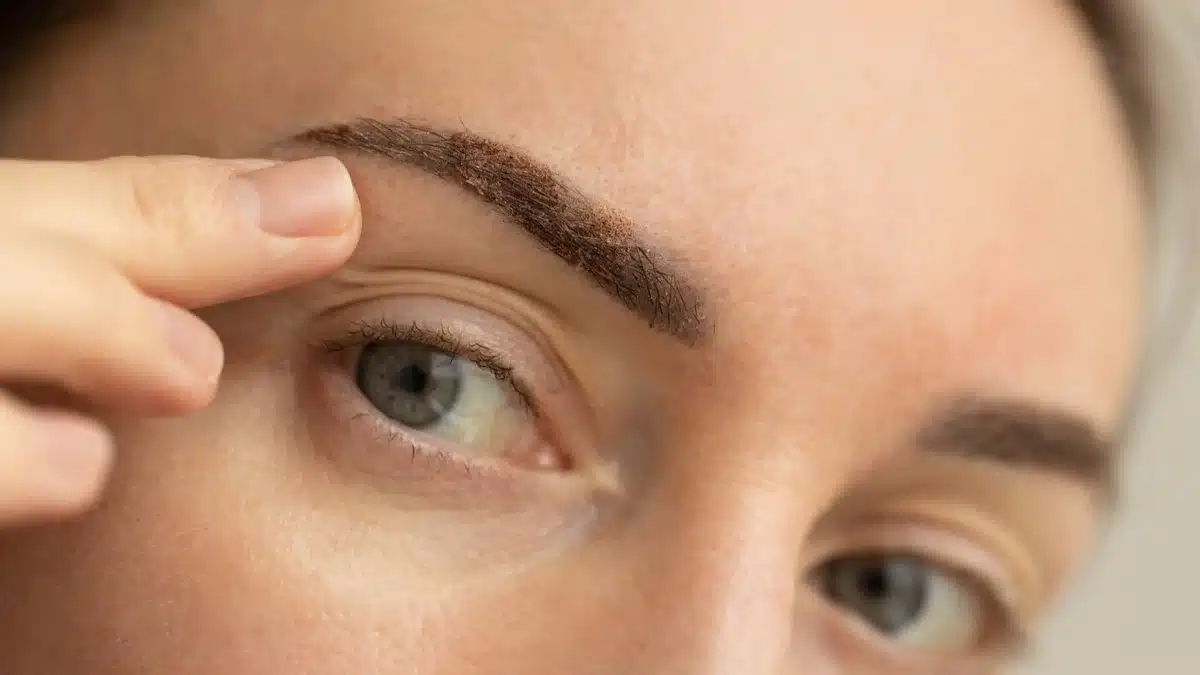
Eyebrows thin and lose pigment with age, which can make the face look washed out. The solution is a fine-tipped pencil used to draw small, hair-like strokes that mimic the natural brow. The key detail: choose a shade slightly lighter than your natural brow color. A too-dark brow creates a harsh contrast that reads as artificial. Finish with a swipe of clear gel to set the hairs in place and add a polished, groomed effect.
Eye shadow for a luminous, open gaze
The eye area requires particular care. For mature eyelids, the recommended shades are champagne, soft bronze, and warm taupe, all in a satin finish. Matte finishes flatten the lid and can make the eye look smaller and heavier. Heavily glittered formulas have the opposite problem: they draw attention to texture and can make the eye look tired rather than bright. If you want to define the lash line, a blended brown pencil applied close to the upper lashes is far more flattering than a sharp black liner.
For more advanced eye techniques on mature skin, this guide on smoky eye on mature skin and drooping eyelids offers a makeup artist's precise approach to enhancing the gaze without weighing it down.
Concealer applied correctly erases fatigue without aging the skin
The under-eye concealer is one of the most misused products in the over-60 makeup kit. Two common errors cancel out its benefits: choosing a shade too light, and applying too much. A concealer that is significantly lighter than the skin tone will accentuate fine lines and create a chalky, aging effect under the eye.
The correct approach: select a shade close to your natural skin tone, with a slightly peachy undertone if dark circles are pronounced. Apply a small amount to the inner corner of the eye only, and blend with a fingertip using a gentle patting motion. Dragging the product will disturb any foundation already applied and risk settling into creases.
Avoid applying concealer across the entire under-eye area. Concentrating product at the inner corner targets the darkest zone while minimizing the risk of settling into fine lines.
Lip color finishes the look and adds instant youth
Mature lips tend toward increased dehydration, which makes finish selection critical. A matte lip product will cling to dry patches, emphasize vertical lines around the mouth, and create an overall effect that ages the face. The better choices are formulas with a satin or lightly glossy finish, which reflect light and make the lips appear fuller and more defined.
Before applying any color, smooth on a nourishing balm to condition the lip surface. Then reach for shades like soft coral, raspberry, or bois de rose. These tones add warmth and vitality to the complexion without competing with it. They also complement the cream blush tones recommended earlier, creating a cohesive, harmonious result across the face.
Makeup after 60 is not about covering up, but about working with the skin's current state. Lightweight textures, upward gestures, warm tones, and cream formulas consistently deliver a more luminous and youthful result than heavier, older-school techniques. And if you're also curious about how makeup artists hide imperfections in seconds, the same principles of precision and restraint apply.
targeted techniques to refresh your makeup routine after 60