Eau de Cologne recorded 167.9 million searches in 2025, up +12.7% year over year. According to a Spate report published in February 2026, it stands as the defining fragrance trend of the year, outpacing gourmand scents and Arabic perfumes. A classic once associated with our grandmothers is finding a whole new audience.
The numbers don't lie. An old-school fragrance category, long dismissed as outdated or overly light, is staging one of the most unexpected comebacks in the beauty world. Eau de Cologne, with its centuries-old roots and unmistakable freshness, is back at the center of the fragrance conversation in 2026.
And it's not just a nostalgic blip. The trend is being amplified by TikTok, Instagram, and Google, reaching a generation of consumers who never associated themselves with this category in the first place.
Eau de Cologne is the fragrance trend of 2026, and the data confirms it
The Spate 2026 Fragrance Report, published in February 2026, is unambiguous. Eau de Cologne generated 167.9 million searches in 2025 alone, a +12.7% increase compared to the previous year. That growth places it ahead of two other major fragrance categories that have dominated recent cycles: gourmand fragrances built on vanilla and marshmallow notes, and Arabic perfumes. The shift is significant enough to qualify as a full category reset.
searches for Eau de Cologne in 2025, up +12.7% year over year (Spate)
What's driving the interest? Several factors converge. Consumers are increasingly drawn to lighter, less tenacious fragrances that feel wearable across contexts. Eau de Cologne, with its 2 to 6% alcohol concentration, sits at the lowest end of the fragrance spectrum in terms of intensity, making it inherently versatile. It doesn't announce itself from across the room. It stays close to the skin.
The non-gendered appeal of a classic format
One of the most relevant dimensions of this revival is the gender-neutral positioning of Eau de Cologne. Unlike many heavily marketed fragrance categories that skew feminine or masculine, Eau de Cologne carries no such baggage. Its lightness and simplicity make it accessible to anyone, which aligns perfectly with how younger consumers approach beauty and fragrance today. The category doesn't need rebranding — it just needed rediscovery.
Layering as a key driver of the cologne trend
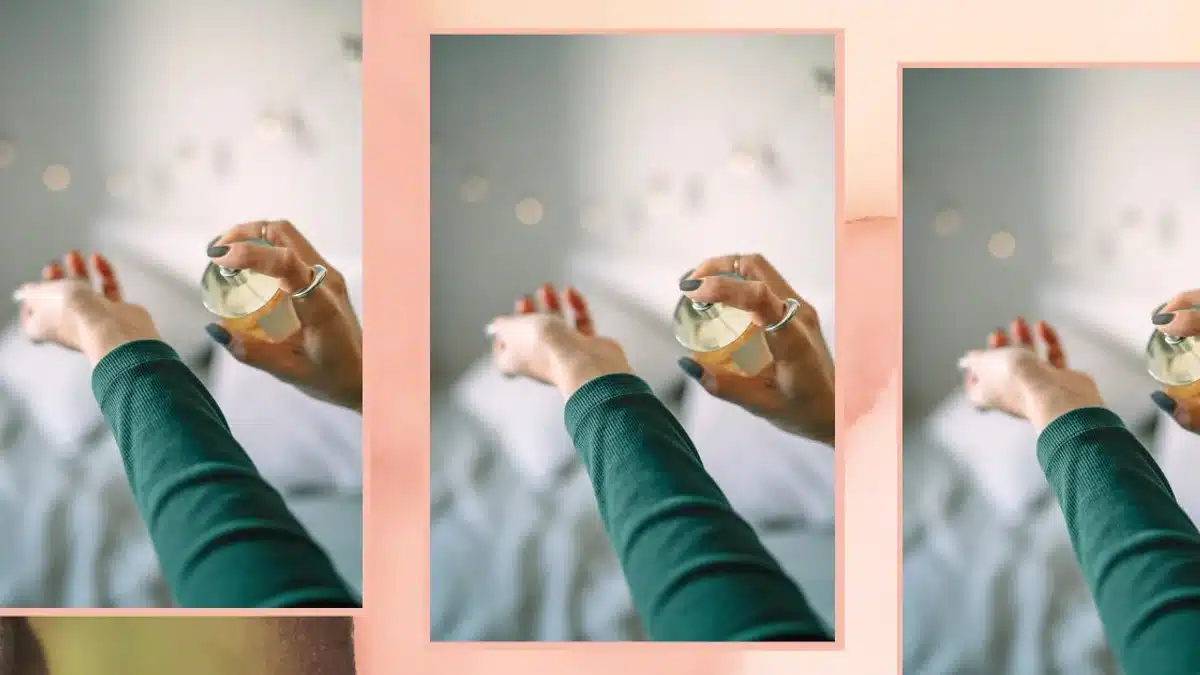
The other engine behind this comeback is layering, the practice of stacking multiple fragrances to create a personalized scent. Because Eau de Cologne is so light, it functions as an ideal base or finishing layer without overwhelming the overall composition. Its low concentration means it blends rather than competes. Fragrance enthusiasts exploring how to layer scents like professionals are finding that Eau de Cologne offers a flexibility that heavier formats simply can't match. The notes currently trending within the category include guava and osmanthus, two directions that feel simultaneously fresh and unexpected.
A fragrance with centuries of history behind it
The cultural weight of Eau de Cologne goes well beyond recent search trends. The format traces its origins to the 18th century, and two products in particular carry that history with remarkable clarity.
Roger & Gallet's Eau de Cologne Jean-Marie Farina, created in 1806, is perhaps the most historically anchored fragrance still in production. It was the personal favorite of Napoléon Iᵉʳ, a detail that transforms a simple cologne into a piece of living history. More than two centuries later, the formula remains a reference point for the category.
Guerlain's Eau de Cologne Impériale arrived in 1853, created by Pierre-François-Pascal Guerlain. The house earned the title of "Official Supplier to Her Majesty" and received the imperial patent of Empress Eugénie, to whom the fragrance was dedicated. Guerlain's cologne became a symbol of refinement at the highest levels of French society, and it remains in the brand's lineup today.
Eau de Cologne originated in the 18th century and takes its name from the German city of Cologne. Its defining characteristic is a low concentration of aromatic compounds — between 2% and 6% — which gives it its signature lightness and freshness.
Nine products that capture the 2026 cologne revival
The current market offers a wide range of options, from heritage houses to contemporary independent brands. Several products stand out as particularly representative of what makes this trend compelling.
Korres brings a modern tropical edge with its Eau de Cologne Guava, built around one of the most searched notes in the category right now. Atelier Cologne's Love Osmanthus leans into the other trending note, osmanthus, with the clean, structured approach the brand is known for. Maison Francis Kurkdjian enters with Aqua Universalis Cologne Forte, a more elevated interpretation that bridges the classic cologne structure with contemporary luxury.
On the heritage side, L.T. Piver's Eau Triple Éthérée and Roger & Gallet's Jean-Marie Farina represent the purist end of the spectrum. Chanel and Guerlain with its Eau de Cologne Impériale anchor the prestige segment. For those looking toward independent French perfumery, Bon Parfumeur's 003 and 100BON's Néroli & Petit Grain offer more accessible, ingredient-forward alternatives that fit naturally into a layering routine.
- Light, non-tenacious — wearable in any context
- Gender-neutral by nature
- Ideal for fragrance layering thanks to low concentration
- Rich historical heritage across accessible and luxury price points
- Trending notes (guava, osmanthus) feel fresh and contemporary
- Low longevity — requires reapplication throughout the day
- Projection stays close to skin, which some find too discreet
- May not satisfy those seeking bold or complex fragrance statements
The breadth of that selection reflects something real about the category's appeal: Eau de Cologne spans price points, aesthetics, and olfactory directions in a way that few fragrance families can. Whether someone is drawn to the institutional history of Guerlain or the clean minimalism of 100BON, the format accommodates both. And as beauty consumers grow increasingly sophisticated in how they build and wear their fragrance wardrobe — much like they approach other beauty rituals with precision and intention — the cologne format becomes less of a relic and more of a tool. A light, transparent, endlessly stackable tool that just happened to be ahead of its time by about two centuries.